-
Relocating After Loss: A Guide to Moving Forward and Preparing Your Home for Sale
Relocating after the loss of a spouse or family member can be both a fresh start and an emotional challenge. If you find yourself considering this significant change, remember that moving can offer a new beginning, but it also involves careful planning and introspection. Here are some tips from The Purple Vine on how to navigate the decision-making process and prepare your current home for sale. STAY OR GO? Deciding whether to stay in your current home or move is deeply personal. No one can make this decision for you, though it's easier to consider moving if you have a remote job that allows you to work from anywhere.…
-
10 Ways to Reduce Caregiver Stress: Free Guide & Tips for a Balanced Life
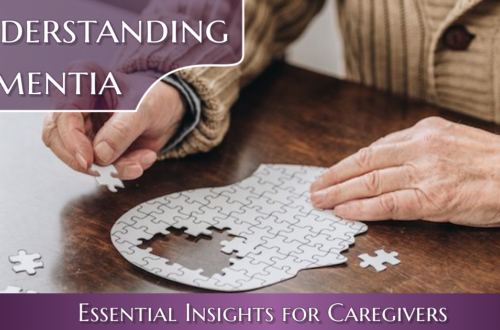
Are you older and get your exercise by hunting for your cell phone and car keys? There’s likely no reason to be concerned. Senior moments, as they’ve been dubbed, happen to all of us. If those moments expand to the point of disrupting normal life, then there may be cause to see a physician. “Memory loss that disrupts daily life is not a typical part of aging,” says Beth Kallmyer, Alzheimer’s Association Vice President of care and support. “It may be a symptom of a form of dementia such as Alzheimer’s.” Dementia Dementia is an umbrella term for a variety of brain conditions that impair memory, reasoning, and thinking. Under…
-
What to Expect at Your First Doctor Visit for Memory Concerns
Visiting the doctor can be daunting, especially when dealing with memory issues or fears about a potential diagnosis. Preparation can help alleviate stress and anxiety. Here's a guide to help you understand what to expect during your first doctor visit for memory concerns. Prepare Ahead of Time To make the most of your appointment, gather the following information beforehand: - Medication List: Include all medications, their strengths, and dosages. -Supplements and Herbs: List any supplements or natural herbs you’re taking. -Surgical History: Document all past surgeries. -Family Medical History: Note any family history of Alzheimer’s or other dementias. -Symptom Details: Record the type, onset, frequency, and progression of your symptoms.…
-
7 Effective Ways to Reduce Stress During Quarantine
Quarantine can be a stressful time, but there are effective ways to manage your anxiety and maintain your well-being. Here are 7 strategies to help you reduce stress during quarantine: Limit News Consumption: Stay informed but avoid excessive exposure to news that may heighten anxiety. Practice Calming Techniques: Engage in activities that help you relax, like reading, watching a favorite show, or taking a bath. Move Your Body: Regular exercise helps release physical tension and distracts from stressors. Connect With Loved Ones: Make time for calls, texts, or video chats with friends and family to stay emotionally connected. Find Activities That Bring Joy: Engage in enjoyable activities like listening to…
-
The Benefits of Being Optimistic: Enhancing Your Life
Feeling in Control One of the greatest benefits of optimism is the enhanced feeling of control over your life. Although we cannot control every circumstance, we can control our responses and attitudes toward them. Embracing optimism empowers us to take charge of our reactions, reducing a sense of victimhood and fostering resilience. Believing that life has a purpose and that God is in control, as supported by Romans 8:28, can provide peace and strength during challenging times. This mindset shift trains the brain to focus on positive outcomes rather than dwelling on problems. Emotional Well-being Adopting an optimistic outlook significantly boosts emotional well-being. Research shows that individuals who cultivate optimism…
-
How to Take Care of Loved Ones as a Long-Distance Caregiver
If you are a long-distance caregiver to a loved one, use this guide to develop a supportive network for your loved one and ensure they are taken care of when you have to care from afar.
-
The Power of Optimism: Transform Your Challenges into Opportunities
It's easy to dwell on what could go wrong in life. After all, life is inherently imperfect and full of ups and downs. While we can't control every situation, we can control how we handle them. This is where the power of optimism becomes invaluable. Optimism can turn challenging situations into manageable ones. For instance, dealing with a diagnosis such as Alzheimer’s, Dementia, or Parkinson’s can be daunting, but approaching these challenges with hope and a positive mindset can make a significant difference. An optimistic person can view the diagnosis as a call to action. A time to get their affairs in order. A thankfulness for having the time to…
-
4 Effective Strategies to Stay Grounded Amidst Life’s Chaos
In today's unpredictable world, it's easy to feel overwhelmed by constant tragedies and sources of fear demanding our attention. Whether dealing with personal disruptions or global events like COVID-19, maintaining peace of mind can seem impossible.While you can’t change the dynamic nature of the world you live in, there are thoughts and strategies that, when implemented effectively, can help you stay grounded when life gets crazy. 1. Accept You Can't Bear the Weight of the World Recognize your limitations and focus on what you can control. Feeling overwhelmed by global issues can be alleviated by concentrating on manageable aspects of your life. This approach not only provides a sense…
-
6 Effective Strategies for Dealing with Critical People
Dealing with critical people can be challenging, especially when their negativity seems to overshadow every positive moment. Whether it's a colleague, friend, or family member, relentless criticism can take a toll on your well-being. Here are 6 effective strategies to handle these situations and maintain your peace of mind. 1. Recognize It’s About Them, Not You Often, critical people are more about their own issues than about you. Their negativity is a reflection of their own struggles and insecurities. Observe their behavior towards others—chances are, their criticism is a constant part of their interactions, not just aimed at you. 2. Listen to the Core Message Even if criticism is delivered…
-
8 Fun Ways to Keep Your Brain Sharp and Healthy
A healthy brain is key to overall well-being, and keeping your mind sharp can be both fun and rewarding. Here are 8 enjoyable ways to enhance your cognitive function: 1.Listen to Something New: Engage your brain with podcasts or audiobooks that introduce new ideas and topics. 2. Write It Down: Journaling or blogging helps you process your thoughts and stimulates creativity. Consider using a guided journal with prompts for extra inspiration. Here’s my favorite journal Write To Remember Full disclosure: I created it. I filled it with the things I like best in a journal, so I’m sure you will like it! It has cream-colored pages to be…