-
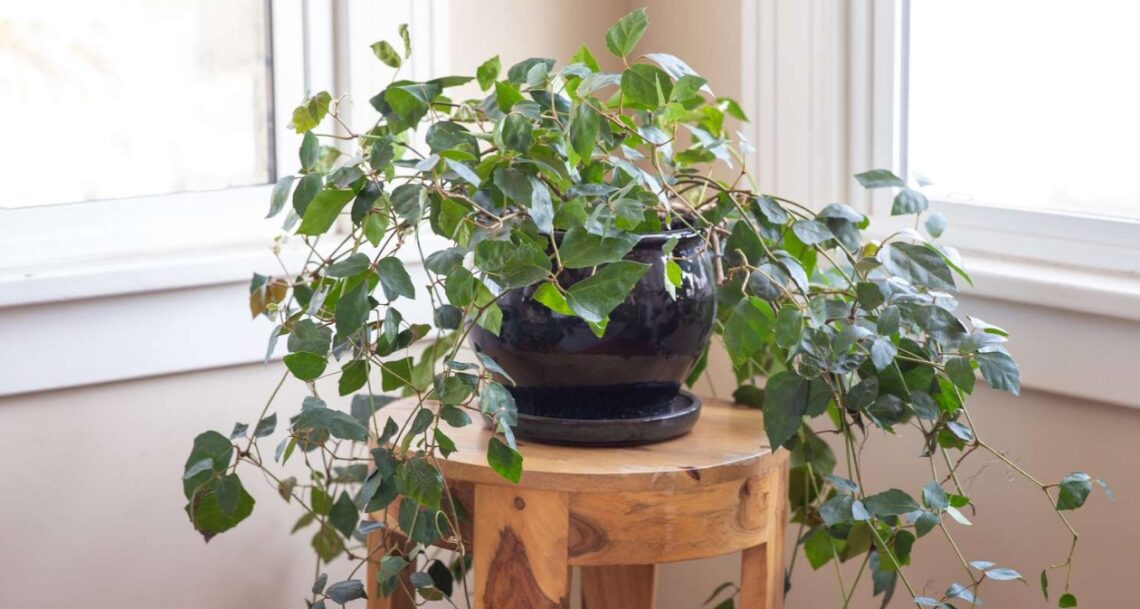
Lessons from My Ivy Plant: Adapting and Thriving as a Caregiver
Nature is full of lessons, but we often miss them because we’re too busy to stop and truly observe. Recently, while watering my indoor plants—a routine task I perform every Saturday—I took a moment to carefully observe my giant ivy (Golden Pothos). Although I’ve cared for this plant for nearly 20 years, it still taught me a valuable lesson about adaptability and growth. When my ivy grows across a flat surface or drapes down, its vines remain smooth. However, when it wants to grow upward without support, it adapts by growing tiny arms to latch onto anything nearby—whether it’s a wall, window blinds, or even a canvas painted by one…
-
Why Do People Journal? Uncover the Surprising Benefits of Daily Writing
Have you ever heard people talk about journaling and wondered why they do it? Is it really beneficial, or just another task to add to your already full day? How can it possibly help? I used to think the same way! With a job, family, and caregiving responsibilities, I felt like I was barely keeping my head above water. The idea of adding journaling to my routine seemed overwhelming. But before you dismiss the idea, I invite you to consider the potential benefits of journaling. I’m not asking you to commit to anything—just to ponder whether this practice could offer you some relief and insight. If you decide to give…
-
5 Stress Relievers Every Caregiver Should Know: Prioritize, Move, and Thrive
Feeling overwhelmed by your endless to-do list? As a caregiver, managing stress is crucial for your well-being and the care you provide. Here are five practical strategies to help you reduce stress, prioritize tasks, and find moments of peace amidst your busy life. 1. Prioritize Your To-Do List Take a hard look at your to-do list and separate the essentials from the non-essentials. Create two lists: one for tasks that absolutely must be done, and another for things that would be nice to accomplish. Now, focus only on what’s essential. Break down your essential tasks into three categories: Top Priority (#1), Medium Priority (#2), and Low Priority (#3). Concentrate on…
-
The Dr. Said ‘Dementia’: Essential Next Steps for Patients and Caregivers
Hearing the word "dementia" from your doctor can be overwhelming. Your mind races with questions: Is there a cure? How will this affect our lives? What can be done to slow it down? It's natural to feel lost with so many unanswered questions, but you're not alone. Understanding Dementia First, know that dementia is a broad term that encompasses various diseases, including Alzheimer's, Dementia, Parkinson's and more. While there is currently no cure for most types, understanding your specific diagnosis can help you and your loved ones prepare for the journey ahead. Let me help first with some basics. Dementia is terminal in all forms except one, which is termed…
-
Retirement Planning Simplified: Your Guide to a Secure Future
Retirement planning is a crucial step for anyone fortunate enough to plan for the future. While I’m not a tax expert or financial planner, I can guide you to valuable resources from those who are. The knowledgeable team at Finance Strategists has created an in-depth guide to help you navigate the often confusing world of retirement planning. This resource covers various retirement plans, investment options, pensions, profit sharing, and more. Simplify Your Retirement Planning Planning for retirement doesn’t have to be overwhelming. Finance Strategists has broken down the key elements you need to understand to make informed decisions about your financial future. Access FREE Information Take advantage of this comprehensive…
-
Debunking Myths About Parkinson’s Disease: What You Need to Know
When my dad was diagnosed with Parkinson's disease, I realized how little I knew about it beyond the famous "Parkinson's shake." Navigating this journey was challenging, and I didn’t handle everything perfectly—there’s always more to learn. To help others, I've put together some Myth Busters about Parkinson's disease. Myth #1: Since Dad had Parkinson's, I'll get it too. False. Parkinson's disease is not typically hereditary. While certain environmental factors, like exposure to pesticides or heavy metals and repeated head injuries, can increase the risk, it doesn’t mean you’ll automatically develop Parkinson’s just because a family member has it. Myth #2: Tremors are the only symptom. False. Parkinson’s disease isn’t just…
-
4 Proven Ways to Lower Your Risk of Dementia and Alzheimer’s
According to Rosalynn Carter, the former First Lady of the United States, there are four types of people: "those who have been caregivers, those who are currently caregivers, those who will be caregivers, and those who will need caregivers." Carter, a long-time advocate for the rights of caregivers, understands the challenges they face. Aging is the greatest risk factor for developing Alzheimer's disease. As we live longer, our risk for this debilitating condition increases. However, there are proactive steps we can take to reduce the risk of dementia. Here are four proven ways to lower your risk of dementia: 1. Stay Active Exercise is crucial for brain health. It increases…
-
SUP (Straight Up Positive) Interview
What an honor to be invited to speak on one of Teepa Snow's channels! If you don't know Teepa, check out some of her YouTube or TikTok training shorts. She has an amazing way of understanding the person living with dementia and conveying best practices to caregivers. I got my certifications through Teepa's company, Positive Approach to Care. She is the authority in dementia training. This was recorded a month after I received my first certification, Certified Caregiving Consultant. Rebekah Wilson was my mentor and also the host of SUP, (Straight Up Positive.) My interview starts around 8:45 https://www.facebook.com/teepasnows.pac/videos/407782551357027/ I have been on MANY other podcasts, radio shows,…
-
10 Reasons Why Adult Coloring is Great for Caregivers – Free Printable Pages!
Did you wake up one morning and think, "I want to be a caregiver because that sounds like fun!"? Yeah, I didn’t think so. Most of us became caregivers because our loved ones needed help—not necessarily because we wanted to. If your situation is different, I’d love to hear about it! Regardless of the reason, here we are, caring for another human being. We’re all doing the best we can in a role that few of us feel prepared for. Raising kids is challenging enough, but caregiving for a spouse or parent? That’s a whole different story! Can I get an "Amen!"? Finding a Relaxing Outlet: Adult Coloring Books May…
-
8 Effective Tips to Help Your Loved One Sleep Better – Caregiver Guide
Just as sleep is crucial for us as caregivers, it is even more essential for those we care for. Their brains require more time to process, reset, clear, and rest because they often work three to four times harder than ours. While we remember where we are, who we are, and who others are, they might struggle with these basic details. Here are 8 effective tips to help your loved one sleep better: 1. Cut Down on Caffeine and Nicotine Limit caffeine (found in coffee, tea, chocolate, and cola) and nicotine, especially several hours before bedtime. Caffeine can significantly affect someone with Alzheimer's. For example, my mother-in-law, who had two…