-
Is Diabetes connected to Alzheimer’s Risk?
Recent studies indicate there is a link between Alzheimer's and Diabetes. Did you know that diabetes can have serious effects on your brain health? Here are some important facts to consider: Diabetes and Brain Damage: Diabetes can damage blood vessels in the brain, increasing the risk of strokes and memory loss. Over time, this damage can lead to more severe issues, including dementia and Alzheimer's disease. High blood sugar levels, if not managed, can cause significant harm to the brain’s blood vessels, leading to cognitive decline and vascular dementia(CDC www.heart.org ). Shared Risk Factors: Diabetes is closely linked to other conditions like high blood pressure, high cholesterol, and obesity. These cardiovascular…
-
Taking Care of Your Brain Health 💡🧠
Taking care of your brain health is just as crucial as maintaining physical wellness. By incorporating a few simple habits into your daily routine, you can keep your mind sharp, enhance cognitive function, and protect against cognitive decline. Essential Tips for Optimal Brain Health: Eat a Brain-Boosting Diet : Incorporate a balanced diet rich in fruits, vegetables, whole grains, and lean proteins. Foods high in Omega-3 fatty acids, like salmon, are particularly beneficial for cognitive function and brain health. Stay Physically Active : Engage in regular physical activity to increase blood flow to the brain and support neuron health. Aim for at least 30 minutes of exercise most days to…
-
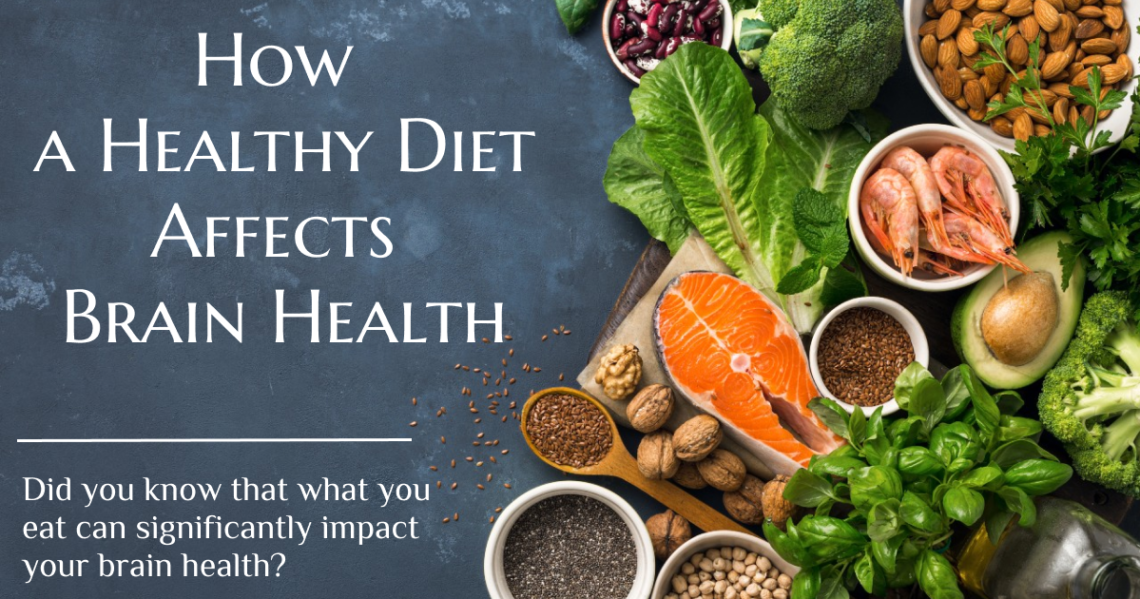
How a Healthy Diet Affects Brain Health 🌟
Did you know that your diet plays a crucial role in maintaining and enhancing brain health? Research has consistently shown that a well-balanced diet, rich in fruits, vegetables, whole grains, and lean proteins, can significantly boost cognitive function and protect against cognitive decline. Key Nutrients for Optimal Brain Health: Omega-3 Fatty Acids : Found in fatty fish like salmon, Omega-3s are essential for supporting neuron health, enhancing memory, and improving overall brain function. Antioxidant-Rich Foods : Berries, leafy greens, and other antioxidant-rich foods help reduce inflammation and oxidative stress—two factors closely linked to aging and neurodegenerative diseases. Vitamin E from Nuts and Seeds : Incorporating nuts and seeds into your…
-
Discover Effective Stress-Reduction Techniques 🌿✨
Are you feeling overwhelmed by the demands of daily life? Stress can quickly take a toll on your mental and physical well-being, but effective stress-reduction techniques can help you regain control and find balance. Here are some powerful methods to reduce stress and improve your overall health: Mindful Meditation : Incorporate mindful meditation into your daily routine. Spending just a few minutes focusing on your breath can significantly reduce anxiety and promote a sense of calm. Regular mindfulness practice has been shown to enhance mental clarity and emotional resilience. Deep Breathing Exercises : Engage in deep breathing exercises to instantly calm your mind and body. Try inhaling slowly through your…
-
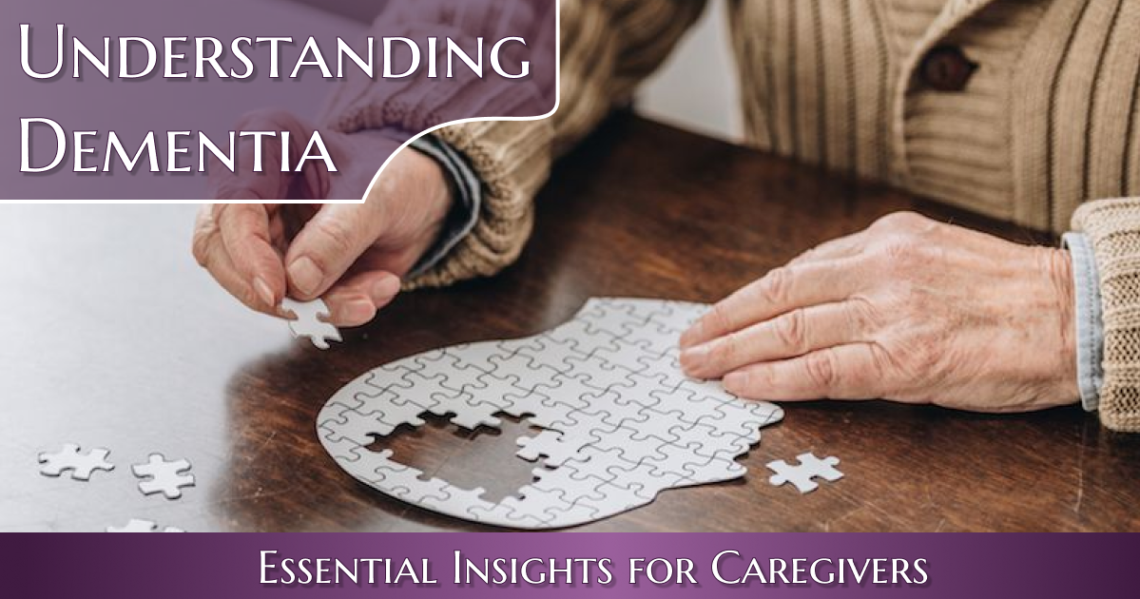
Understanding Dementia: Essential Insights for Caregivers 🧠❤️
Caring for someone with dementia presents unique challenges, but understanding the condition can make a world of difference. By recognizing the early signs—such as memory loss, confusion, and difficulty with everyday tasks—you can seek timely intervention and support. Consulting a healthcare professional for a proper diagnosis is crucial to ensure your loved one receives the care they need. Key Strategies for Dementia Care: Maintain a Consistent Routine: Establishing a daily schedule helps reduce confusion and anxiety in those with dementia. Consistency offers a sense of security and predictability, making it easier for them to navigate their day. Clear Communication: Use simple, clear sentences when communicating. Speak slowly and calmly, allowing…
-
Progress Over Perfection
When did I get so tired? When was the last time I slept through the night? Do I even remember what it feels like to be rested? At this point, soaking in a hot tub for 15 minutes would feel like a mini vacation! I know I need help. There has to be a better way. Earlier today, I took both Mom and my mother-in-law, Jean, to their doctor’s appointments. As best friends, they enjoy spending time together, so I scheduled their checkups with the same physician to save time and reduce confusion. Mom is living with vascular dementia, and Jean is battling Alzheimer’s. Neither of them likes going to…
-
How to Stay Healthy as a Caregiver
Caring for a loved one is a rewarding experience, but it can also be physically and emotionally demanding. While you’re focused on their well-being, it’s crucial not to neglect your own health. To prevent illness and caregiver burnout, follow these essential tips to reduce stress and maintain your physical and mental well-being. Brought to you by The Purple Vine, your trusted source for caregiver support. 1. Limit Caffeine and Sugar for Better Sleep As a caregiver, getting enough rest is vital. Lack of sleep can increase stress and weaken your immune system. To improve your sleep quality, limit caffeine and sugar intake, especially in the afternoon. Avoid these stimulants after…
-
Just One Thing
How would our lives improve if we changed just one thing this week? Changing just any old thing may not have any impact, for example, putting on your shirt before your pants, if that's your habit. That won't cause any ripple effects, mood enhancements, or much else, as far as I'm concerned. But what if the ONE THING we focussed on was literally where we put our focus? Bear with me; it will make sense in just a minute. Have you ever found yourself dwelling on those who don't support you? The spouse, partner, sibling, relative, or friend who never seems to have time to help you?Have you noticed yourself…
-
Stress-Reduction Techniques for Caregivers
Stress is a natural part of life, but chronic stress can lead to serious health issues such as diabetes, heart disease, migraines, indigestion, and depression. As a caregiver, it's essential to take proactive steps to manage and reduce stress. Here are 10 effective stress-reduction techniques: 1. Take Breaks: Schedule regular breaks to rest and recharge. Even short pauses can help alleviate stress and prevent burnout. 2. Seek Support: Reach out to family, friends, or support groups for emotional support and to share caregiving responsibilities. 3. Prioritize Self-Care: Engage in activities you enjoy, such as exercise, or meditation. For me, it's gardening. That is a happy, peaceful place where I can…
-
Lower Your Stress Levels: A Guide for Caregivers
How peaceful and happy is your daily life? Do you find yourself losing your temper or feeling anxious? What systems do you have in place to help you destress? It’s crucial to have effective strategies to manage stress and anxiety. Your attitude also plays a significant role—are you generally happy and thankful, or do you sometimes feel bitterness, anger, or self-pity? Remember, everyone experiences stress, anger, and anxiety. The key difference lies in how we handle it. Uncontrolled stress can lead to serious health issues, including heart disease, obesity, diabetes, and mental health problems like depression and anxiety. The Mayo Clinic highlights the significant toll stress can take on your…