-
The Diagnosis isn’t the End
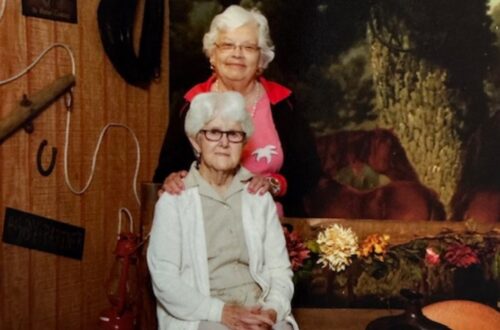
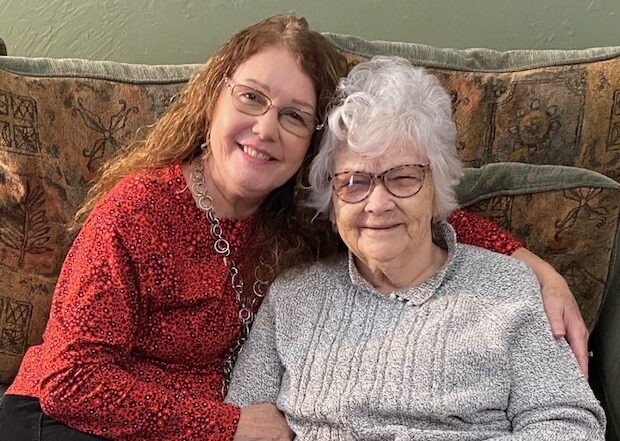
A dementia diagnosis can be devastating, but it doesn’t mean the end of your loved one’s life or memories. While dementia gradually affects memory, reasoning, and daily activities, it’s important to remember that the progression is often slow and varies from person to person. My handsome son and my mom. Dementia encompasses over 100 conditions, including: : Alzheimer's Frontotemporal Dementia Vascular Dementia Parkinson's Lewy Body Dementia Multi-Infarct Dementia Huntington's Disease Creutzfeldt-Jakob Disease Alcohol-related Dementia Down Syndrome with Alzheimer's HIV Associated Dementia Childhood Dementia They all impact reasoning, memory & activities of daily life, but there are different symptoms associated with each different disease. Most are a slow (albeit progressive) decline.…
-
3 Essential ‘I Can’t’ Statements for Caregivers: Tips for Stress Management and Support
Dad taught us we could do anything we set our minds to. Henry Ford stated it best when he said, "Whether you think you can, or think you can't, you're right." Our attitude is critical to our success. While I believe all that, and you probably do too, I've learned that, at least in caregiving, there are some acceptable, and beneficial, "I can't" situations. Ready? Here we go.... - I Can’t Do It All Alone. It’s okay to ask for help. Caregiving can be overwhelming, and no one should do it entirely alone. Make a list of tasks others can help with, such as mowing the lawn, cooking meals, or…
-
10 Ways to Reduce Caregiver Stress: Free Guide & Tips for a Balanced Life
1) Take breaks: It's crucial for caregivers to schedule regular breaks to rest and recharge. Even short breaks can help alleviate stress and prevent burnout. 2) Seek support: Don't hesitate to reach out to family members, friends, or support groups who can provide emotional support and share in the caregiving responsibilities. 3) Prioritize self-care: Make self-care a priority by engaging in activities you enjoy. This could include hobbies, exercise, meditation, or simply taking time for yourself. For me, it's gardening. That is a happy, peaceful place where I can relax. 4) Accept help: Allow others to lend a hand. Accept help with caregiving tasks, such as meal preparation, errands, or…
-
Showering Tips for Dementia Care: Simplify and Support Personal Hygiene
Dementia is a progressive condition that affects memory, thinking, and the ability to perform everyday tasks, including maintaining personal hygiene. Showering can be especially challenging for individuals with dementia, but with the right approach, it can be made easier and more comfortable for both the person and their caregiver. Establish a Routine Creating a consistent showering routine can help reduce confusion and anxiety for those with dementia. Aim to schedule showers at the same time every other day to provide a sense of stability and control. Most doctors agree daily showering is not necessary or healthy for the skin. Simplify the Process Break down the showering process into simple, easy-to-follow…
-
Effective Strategies to Prevent Wandering in Dementia Care
Preventing Wandering in Dementia Care For caregivers of individuals with dementia or cognitive impairments, wandering is a common and concerning behavior. Defined as moving around without a specific destination, wandering can lead to safety risks such as injury or getting lost. Fortunately, there are several effective strategies caregivers can employ to prevent wandering and ensure their loved one's safet Create a Safe Environment Start by making the living space secure. Install locks on doors and windows, and consider a security system. Remove hazards like sharp objects and tripping risks. Tracking devices or ID bracelets can also be crucial in locating a loved one if they wander off. Establish a Routine…
-
Anxiety Calming Strategies
We all have a certain amount of anxiety. Learning how to handle it is what’s crucial. Caregivers have a higher-than-normal amount of stress due to their circumstances, so it’s doubly important for them to learn coping techniques. You’ll find other stress-relieving articles here and here. According to the Anxiety and Depression Association of America, over 18% of Americans struggle with some form of anxiety at any given time. Coping with anxiety can be complicated, especially since no single treatment works for everyone. So, let’s talk about five completely natural ways that you can calm your anxiety today. 1. Meditation & Deep Breathing Anxiety attacks and persistent anxiety typically come…
-
My Backstory
My earliest memory is being on the phone with my mother, who told me I had a new baby sister. I was so excited! Mom said she would bring the baby home to meet me in time for my 2nd birthday in 3 days. I would grab a diaper, wipes, or burp cloth with extreme speed and accuracy. Mom could count on me to care for this tiny, often crying, sweet baby sister, who was so helpless. I was a secondary caregiver at 2 years old! A short 15 months later, it happened again! My mom was a baby-making machine! She had 4 kids in 5 years!! This time mom…
-
Pete and repeat….
When you have a loved one with dementia, you may experience what I call "the repeats." It reminds me of an old joke I heard as a kid that was super annoying. It went like this: Pete and repeat went up a hill. Pete fell off, and who was left? When the victim says "repeat," you repeat the lines again. "Pete and repeat went up a hill..." Annoying, isn't it? As kids, we chose to be annoying by telling that joke to people. Our loved one didn't choose any form of dementia. Nor would we wish it on them! On a good day, they will ask the same question with…
-
Managing Large Gatherings: Dementia-Friendly Tips for Family Events
Successfully navigating large gatherings with a loved one who has dementia requires thoughtful planning and preparation. While it can be challenging, there are steps we can take to make these visits less stressful and more enjoyable for everyone involved. I won’t sugarcoat it or pretend that I have it all figured out. Many of you have been following my journey long enough to know that’s just not the case. I try hard, but sometimes, I still make mistakes. Maybe you can relate? My mom has vascular dementia, which makes our large family gatherings particularly challenging. Despite this, I refuse to exclude her. I want her to be with family as…
-
Finding Time to Relax: Stress Relief and Self-Care Tips for Caregivers
What goes through your mind when someone says "you just need to relax"? If you're like most caregivers, that suggestion might not calm you down. In fact, it might stress you out even more! While the sentiment is well-meaning, it’s often not helpful. We all know that stress is harmful, especially when it’s prolonged, and caregiving naturally comes with a lot of stress. But realistically, what can we do to unwind? We can’t simply run away from our responsibilities, nor can we ignore them and hope things will work out. So, what are some practical ways to find relaxation? Practical Tips to Help You Relax 1. Read a Book: Even…