-
Progress Over Perfection
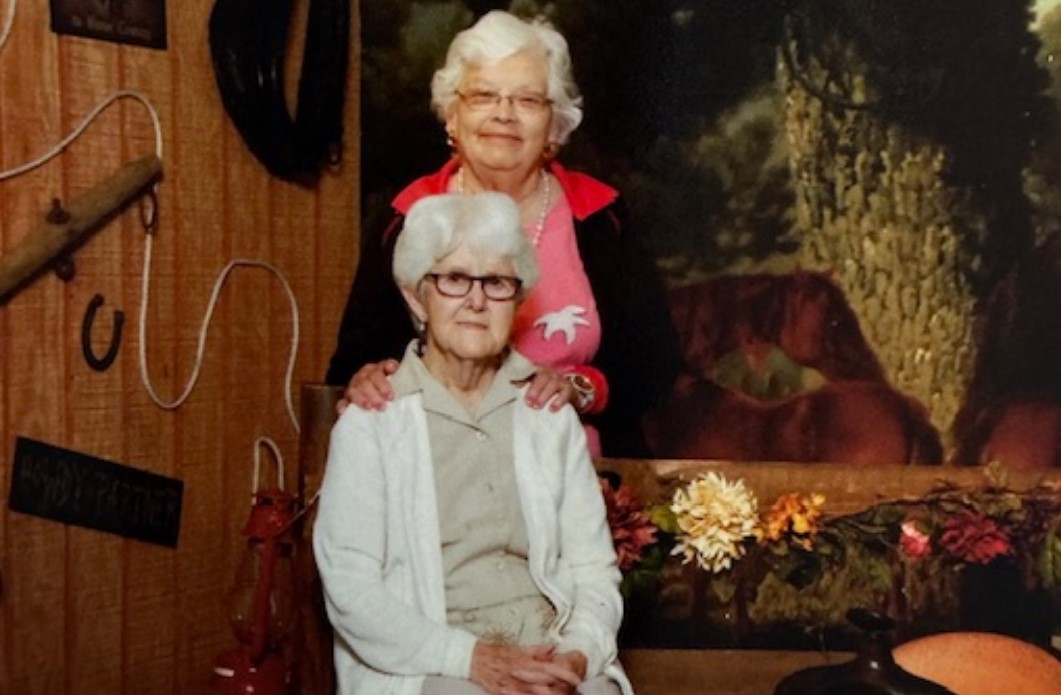
When did I get so tired? When was the last time I slept through the night? Do I even remember what it feels like to be rested? At this point, soaking in a hot tub for 15 minutes would feel like a mini vacation! I know I need help. There has to be a better way. Earlier today, I took both Mom and my mother-in-law, Jean, to their doctor’s appointments. As best friends, they enjoy spending time together, so I scheduled their checkups with the same physician to save time and reduce confusion. Mom is living with vascular dementia, and Jean is battling Alzheimer’s. Neither of them likes going to…
-
Lower Your Stress Levels: A Guide for Caregivers
How peaceful and happy is your daily life? Do you find yourself losing your temper or feeling anxious? What systems do you have in place to help you destress? It’s crucial to have effective strategies to manage stress and anxiety. Your attitude also plays a significant role—are you generally happy and thankful, or do you sometimes feel bitterness, anger, or self-pity? Remember, everyone experiences stress, anger, and anxiety. The key difference lies in how we handle it. Uncontrolled stress can lead to serious health issues, including heart disease, obesity, diabetes, and mental health problems like depression and anxiety. The Mayo Clinic highlights the significant toll stress can take on your…
-
3 Essential ‘I Can’t’ Statements for Caregivers: Tips for Stress Management and Support
Dad taught us we could do anything we set our minds to. Henry Ford stated it best when he said, "Whether you think you can, or think you can't, you're right." Our attitude is critical to our success. While I believe all that, and you probably do too, I've learned that, at least in caregiving, there are some acceptable, and beneficial, "I can't" situations. Ready? Here we go.... - I Can’t Do It All Alone. It’s okay to ask for help. Caregiving can be overwhelming, and no one should do it entirely alone. Make a list of tasks others can help with, such as mowing the lawn, cooking meals, or…
-
Showering Tips for Dementia Care: Simplify and Support Personal Hygiene
Dementia is a progressive condition that affects memory, thinking, and the ability to perform everyday tasks, including maintaining personal hygiene. Showering can be especially challenging for individuals with dementia, but with the right approach, it can be made easier and more comfortable for both the person and their caregiver. Establish a Routine Creating a consistent showering routine can help reduce confusion and anxiety for those with dementia. Aim to schedule showers at the same time every other day to provide a sense of stability and control. Most doctors agree daily showering is not necessary or healthy for the skin. Simplify the Process Break down the showering process into simple, easy-to-follow…
-
My Backstory
My earliest memory is being on the phone with my mother, who told me I had a new baby sister. I was so excited! Mom said she would bring the baby home to meet me in time for my 2nd birthday in 3 days. I would grab a diaper, wipes, or burp cloth with extreme speed and accuracy. Mom could count on me to care for this tiny, often crying, sweet baby sister, who was so helpless. I was a secondary caregiver at 2 years old! A short 15 months later, it happened again! My mom was a baby-making machine! She had 4 kids in 5 years!! This time mom…
-
Finding Time to Relax: Stress Relief and Self-Care Tips for Caregivers
What goes through your mind when someone says "you just need to relax"? If you're like most caregivers, that suggestion might not calm you down. In fact, it might stress you out even more! While the sentiment is well-meaning, it’s often not helpful. We all know that stress is harmful, especially when it’s prolonged, and caregiving naturally comes with a lot of stress. But realistically, what can we do to unwind? We can’t simply run away from our responsibilities, nor can we ignore them and hope things will work out. So, what are some practical ways to find relaxation? Practical Tips to Help You Relax 1. Read a Book: Even…
-
Lessons from My Ivy Plant: Adapting and Thriving as a Caregiver
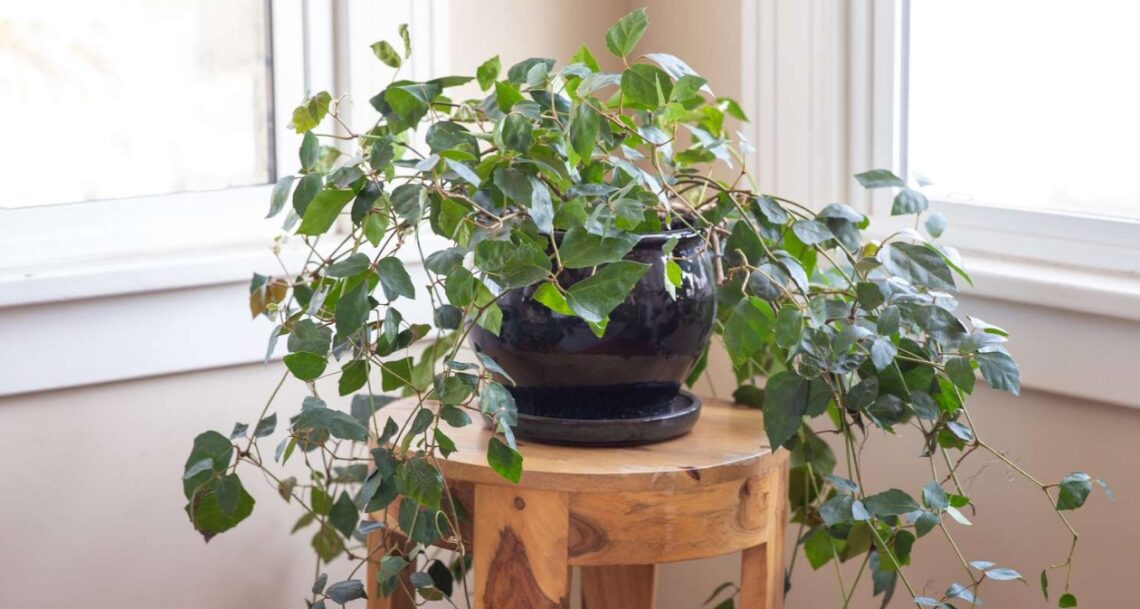
Nature is full of lessons, but we often miss them because we’re too busy to stop and truly observe. Recently, while watering my indoor plants—a routine task I perform every Saturday—I took a moment to carefully observe my giant ivy (Golden Pothos). Although I’ve cared for this plant for nearly 20 years, it still taught me a valuable lesson about adaptability and growth. When my ivy grows across a flat surface or drapes down, its vines remain smooth. However, when it wants to grow upward without support, it adapts by growing tiny arms to latch onto anything nearby—whether it’s a wall, window blinds, or even a canvas painted by one…
-
5 Stress Relievers Every Caregiver Should Know: Prioritize, Move, and Thrive
Feeling overwhelmed by your endless to-do list? As a caregiver, managing stress is crucial for your well-being and the care you provide. Here are five practical strategies to help you reduce stress, prioritize tasks, and find moments of peace amidst your busy life. 1. Prioritize Your To-Do List Take a hard look at your to-do list and separate the essentials from the non-essentials. Create two lists: one for tasks that absolutely must be done, and another for things that would be nice to accomplish. Now, focus only on what’s essential. Break down your essential tasks into three categories: Top Priority (#1), Medium Priority (#2), and Low Priority (#3). Concentrate on…
-
The Dr. Said ‘Dementia’: Essential Next Steps for Patients and Caregivers
Hearing the word "dementia" from your doctor can be overwhelming. Your mind races with questions: Is there a cure? How will this affect our lives? What can be done to slow it down? It's natural to feel lost with so many unanswered questions, but you're not alone. Understanding Dementia First, know that dementia is a broad term that encompasses various diseases, including Alzheimer's, Dementia, Parkinson's and more. While there is currently no cure for most types, understanding your specific diagnosis can help you and your loved ones prepare for the journey ahead. Let me help first with some basics. Dementia is terminal in all forms except one, which is termed…
-
4 Proven Ways to Lower Your Risk of Dementia and Alzheimer’s
According to Rosalynn Carter, the former First Lady of the United States, there are four types of people: "those who have been caregivers, those who are currently caregivers, those who will be caregivers, and those who will need caregivers." Carter, a long-time advocate for the rights of caregivers, understands the challenges they face. Aging is the greatest risk factor for developing Alzheimer's disease. As we live longer, our risk for this debilitating condition increases. However, there are proactive steps we can take to reduce the risk of dementia. Here are four proven ways to lower your risk of dementia: 1. Stay Active Exercise is crucial for brain health. It increases…