Alzheimer's
-
4 Proven Ways to Lower Your Risk of Dementia and Alzheimer’s
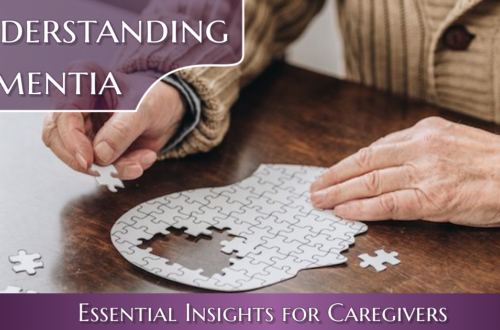
According to Rosalynn Carter, the former First Lady of the United States, there are four types of people: "those who have been caregivers, those who are currently caregivers, those who will be caregivers, and those who will need caregivers." Carter, a long-time advocate for the rights of caregivers, understands the challenges they face. Aging is the greatest risk factor for developing Alzheimer's disease. As we live longer, our risk for this debilitating condition increases. However, there are proactive steps we can take to reduce the risk of dementia. Here are four proven ways to lower your risk of dementia: 1. Stay Active Exercise is crucial for brain health. It increases…
-
SUP (Straight Up Positive) Interview
What an honor to be invited to speak on one of Teepa Snow's channels! If you don't know Teepa, check out some of her YouTube or TikTok training shorts. She has an amazing way of understanding the person living with dementia and conveying best practices to caregivers. I got my certifications through Teepa's company, Positive Approach to Care. She is the authority in dementia training. This was recorded a month after I received my first certification, Certified Caregiving Consultant. Rebekah Wilson was my mentor and also the host of SUP, (Straight Up Positive.) My interview starts around 8:45 https://www.facebook.com/teepasnows.pac/videos/407782551357027/ I have been on MANY other podcasts, radio shows,…
-
10 Reasons Why Adult Coloring is Great for Caregivers – Free Printable Pages!
Did you wake up one morning and think, "I want to be a caregiver because that sounds like fun!"? Yeah, I didn’t think so. Most of us became caregivers because our loved ones needed help—not necessarily because we wanted to. If your situation is different, I’d love to hear about it! Regardless of the reason, here we are, caring for another human being. We’re all doing the best we can in a role that few of us feel prepared for. Raising kids is challenging enough, but caregiving for a spouse or parent? That’s a whole different story! Can I get an "Amen!"? Finding a Relaxing Outlet: Adult Coloring Books May…
-
8 Effective Tips to Help Your Loved One Sleep Better – Caregiver Guide
Just as sleep is crucial for us as caregivers, it is even more essential for those we care for. Their brains require more time to process, reset, clear, and rest because they often work three to four times harder than ours. While we remember where we are, who we are, and who others are, they might struggle with these basic details. Here are 8 effective tips to help your loved one sleep better: 1. Cut Down on Caffeine and Nicotine Limit caffeine (found in coffee, tea, chocolate, and cola) and nicotine, especially several hours before bedtime. Caffeine can significantly affect someone with Alzheimer's. For example, my mother-in-law, who had two…
-
Is it just me?
Is it just me or do you sometimes feel anxious too? Most of us are caregivers, which is an extremely stressful job by itself. Yet, many are working a regular job while caregiving, and raising kids!! It’s called the sandwich generation, but I think at least at times, it could be called the pressure cooker generation! How can we manage the stress of all the events in our home, when added to the community, state, nation, and now the craziness of the world?I have some tips for you. First, we must recognize we aren’t alone. No situation is totally unique. Nearly 6 million people in the U.S. today are…
-
How to Protect Your Mental Health During the Pandemic: Essential Tips and Strategies
The COVID-19 pandemic has severely impacted mental health, bringing restrictions on celebrations, witnessing severe health crises, and adhering to rigorous hygiene routines. With ongoing challenges, it's crucial to focus on strategies to safeguard your mental well-being. 1. Get Some Exercise You don’t need a gym to stay active. Simple exercises like push-ups, jumping jacks, burpees, or even a jog around the block can be done at home. Besides building endurance and strength. 2. Stay in Contact With Loved Ones Loneliness and social isolation can exacerbate mental health issues. In addition, the European Medical Journal states that loneliness in older adults increases the risk of dementia and other serious health disorders.…
-
Adopting a “Don’t Quit” Mentality: 4 Tips to Stay Motivated and Overcome Challenges
It's easy to give up—that’s why most people do it. Winners, however, know that quitting is never an option, which is why they keep winning. How often have you given up on something you truly wanted? Was it worth it? Giving up on your dreams is a mistake you never want to make. The people who make history are those who refuse to quit, regardless of the obstacles. If you want to make a difference in your life and the world, learn to persevere. No matter how tough the circumstances, no matter how many times you face setbacks, never give up. Keep fighting, keep believing, keep working, and your victory…
-
Tips for Coping with Grief During the Holiday Season: Honoring Your Loved One and Finding Comfort
photo by Pixabay The holiday season is often a time we expect to spend with our loved ones. But when the person we wish to see the most has passed away, the pain can feel unbearable. While it’s natural to feel this way, it’s important to remember that you can still get through it. Here are some meaningful ways to honor the person you lost while continuing to live your life to the fullest—just as they would want you to. Accept Your Grief and Honor Your Loved One First, acknowledge your grief and accept that it is part of thehealing process. Don’t hold yourself to an arbitrary time frame of…
-
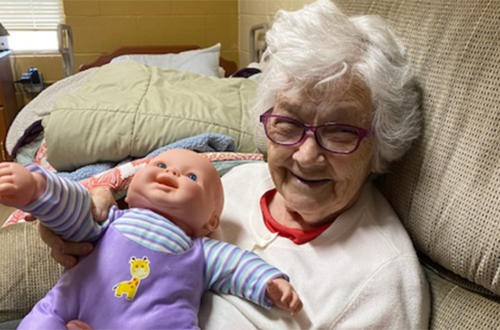
12 Simple Activities for Seniors with Dementia: Affordable Ways to Engage and Connect
Research has shown that providing activities during the day will cause less need for a long nap and better nighttime sleep.
-
Relocating After Loss: A Guide to Moving Forward and Preparing Your Home for Sale
Relocating after the loss of a spouse or family member can be both a fresh start and an emotional challenge. If you find yourself considering this significant change, remember that moving can offer a new beginning, but it also involves careful planning and introspection. Here are some tips from The Purple Vine on how to navigate the decision-making process and prepare your current home for sale. STAY OR GO? Deciding whether to stay in your current home or move is deeply personal. No one can make this decision for you, though it's easier to consider moving if you have a remote job that allows you to work from anywhere.…