Dementia
-
How To Nurture Your Well-Being While Supporting Others As A Caregiver
Photo via Pexels As a caregiver, your role is undeniably crucial, often leading you to prioritize the well-being of another above your own. However, maintaining your health and wellness is not just a benefit to you but also enhances the quality of care you provide. This article, courtesy of The Purple Vine, explores practical strategies to help you manage your responsibilities while ensuring your well-being remains a priority. Set Boundaries One of the most effective strategies you can employ is establishing clear boundaries between your caregiving duties and personal life. It's vital to define when your role as a caregiver pauses, and your own life resumes. This might mean…
-
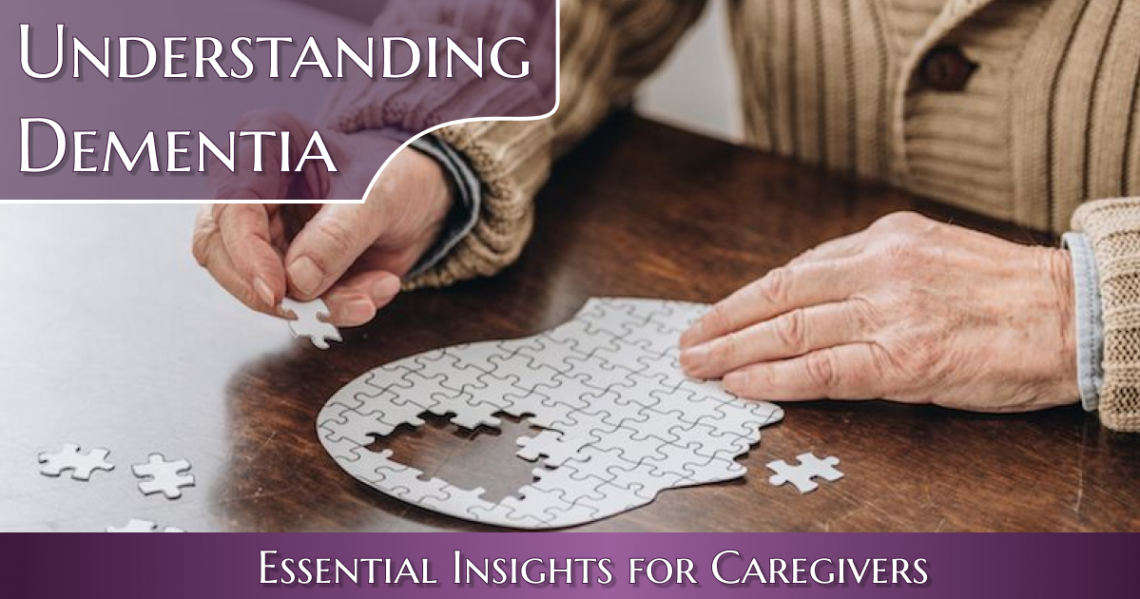
Understanding Dementia: Essential Insights for Caregivers
Caring for someone with dementia presents unique challenges, but understanding the condition can make a world of difference. By recognizing early signs—such as memory loss, confusion, and difficulty with everyday tasks—you can seek timely intervention and support. Consulting a healthcare professional for a proper diagnosis is crucial so your loved one receives the care they need. Key Strategies for Dementia Care Maintain a Consistent Routine Establishing a daily schedule helps reduce confusion and anxiety for someone living with dementia. Consistency offers security and predictability, making it easier to navigate the day. Communicate Clearly Use simple, clear sentences. Speak slowly and calmly, then allow plenty of time for your loved one…
-
Progress Over Perfection
When did I get so tired? When was the last time I slept through the night? Do I even remember what it feels like to be rested? At this point, soaking in a hot tub for 15 minutes would feel like a mini vacation! I know I need help. There has to be a better way. Earlier today, I took both Mom and my mother-in-law, Jean, to their doctor’s appointments. As best friends, they enjoy spending time together, so I scheduled their checkups with the same physician to save time and reduce confusion. Mom is living with vascular dementia, and Jean is battling Alzheimer’s. Neither of them likes going to…
-
The Diagnosis isn’t the End
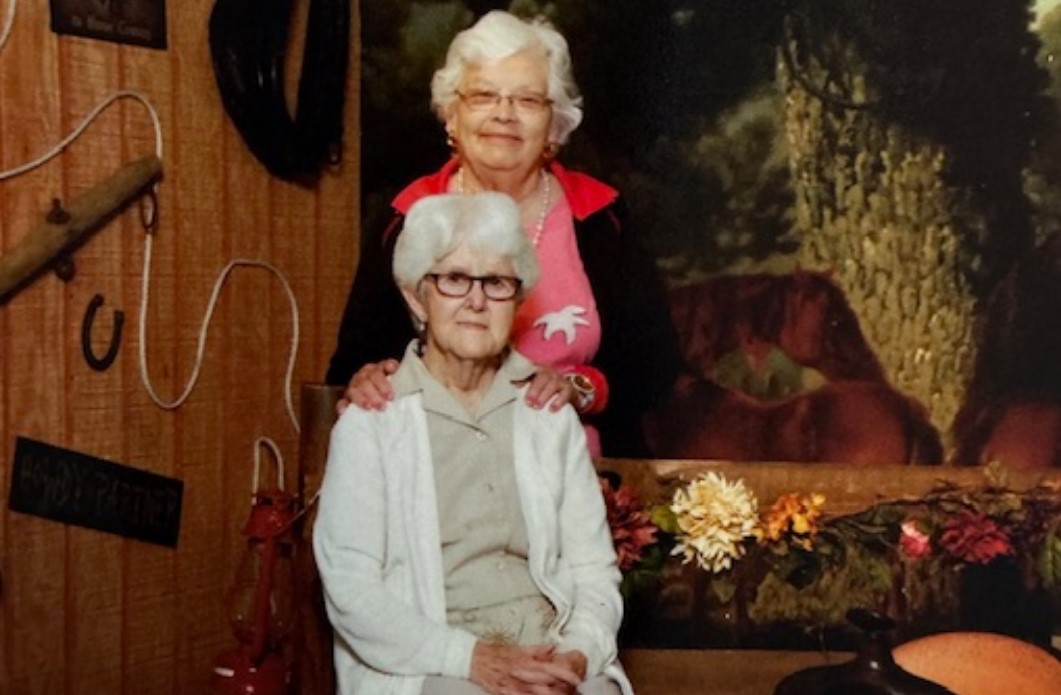
A dementia diagnosis can be devastating, but it doesn’t mean the end of your loved one’s life or memories. While dementia gradually affects memory, reasoning, and daily activities, it’s important to remember that the progression is often slow and varies from person to person. My handsome son and my mom. Dementia encompasses over 100 conditions, including: : Alzheimer's Frontotemporal Dementia Vascular Dementia Parkinson's Lewy Body Dementia Multi-Infarct Dementia Huntington's Disease Creutzfeldt-Jakob Disease Alcohol-related Dementia Down Syndrome with Alzheimer's HIV Associated Dementia Childhood Dementia They all impact reasoning, memory & activities of daily life, but there are different symptoms associated with each different disease. Most are a slow (albeit progressive) decline.…
-
3 Essential ‘I Can’t’ Statements for Caregivers: Tips for Stress Management and Support
Dad taught us we could do anything we set our minds to. Henry Ford stated it best when he said, "Whether you think you can, or think you can't, you're right." Our attitude is critical to our success. While I believe all that, and you probably do too, I've learned that, at least in caregiving, there are some acceptable, and beneficial, "I can't" situations. Ready? Here we go.... - I Can’t Do It All Alone. It’s okay to ask for help. Caregiving can be overwhelming, and no one should do it entirely alone. Make a list of tasks others can help with, such as mowing the lawn, cooking meals, or…
-
Showering Tips for Dementia Care: Simplify and Support Personal Hygiene
Dementia is a progressive condition that affects memory, thinking, and the ability to perform everyday tasks, including maintaining personal hygiene. Showering can be especially challenging for individuals with dementia, but with the right approach, it can be made easier and more comfortable for both the person and their caregiver. Establish a Routine Creating a consistent showering routine can help reduce confusion and anxiety for those with dementia. Aim to schedule showers at the same time every other day to provide a sense of stability and control. Most doctors agree daily showering is not necessary or healthy for the skin. Simplify the Process Break down the showering process into simple, easy-to-follow…
-
Effective Strategies to Prevent Wandering in Dementia Care
Preventing Wandering in Dementia Care For caregivers of individuals with dementia or cognitive impairments, wandering is a common and concerning behavior. Defined as moving around without a specific destination, wandering can lead to safety risks such as injury or getting lost. Fortunately, there are several effective strategies caregivers can employ to prevent wandering and ensure their loved one's safet Create a Safe Environment Start by making the living space secure. Install locks on doors and windows, and consider a security system. Remove hazards like sharp objects and tripping risks. Tracking devices or ID bracelets can also be crucial in locating a loved one if they wander off. Establish a Routine…
-
Managing Large Gatherings: Dementia-Friendly Tips for Family Events
Successfully navigating large gatherings with a loved one who has dementia requires thoughtful planning and preparation. While it can be challenging, there are steps we can take to make these visits less stressful and more enjoyable for everyone involved. I won’t sugarcoat it or pretend that I have it all figured out. Many of you have been following my journey long enough to know that’s just not the case. I try hard, but sometimes, I still make mistakes. Maybe you can relate? My mom has vascular dementia, which makes our large family gatherings particularly challenging. Despite this, I refuse to exclude her. I want her to be with family as…
-
The Dr. Said ‘Dementia’: Essential Next Steps for Patients and Caregivers
Hearing the word "dementia" from your doctor can be overwhelming. Your mind races with questions: Is there a cure? How will this affect our lives? What can be done to slow it down? It's natural to feel lost with so many unanswered questions, but you're not alone. Understanding Dementia First, know that dementia is a broad term that encompasses various diseases, including Alzheimer's, Dementia, Parkinson's and more. While there is currently no cure for most types, understanding your specific diagnosis can help you and your loved ones prepare for the journey ahead. Let me help first with some basics. Dementia is terminal in all forms except one, which is termed…
-
Debunking Myths About Parkinson’s Disease: What You Need to Know
When my dad was diagnosed with Parkinson's disease, I realized how little I knew about it beyond the famous "Parkinson's shake." Navigating this journey was challenging, and I didn’t handle everything perfectly—there’s always more to learn. To help others, I've put together some Myth Busters about Parkinson's disease. Myth #1: Since Dad had Parkinson's, I'll get it too. False. Parkinson's disease is not typically hereditary. While certain environmental factors, like exposure to pesticides or heavy metals and repeated head injuries, can increase the risk, it doesn’t mean you’ll automatically develop Parkinson’s just because a family member has it. Myth #2: Tremors are the only symptom. False. Parkinson’s disease isn’t just…
-
10 Reasons Why Adult Coloring is Great for Caregivers – Free Printable Pages!
Did you wake up one morning and think, "I want to be a caregiver because that sounds like fun!"? Yeah, I didn’t think so. Most of us became caregivers because our loved ones needed help—not necessarily because we wanted to. If your situation is different, I’d love to hear about it! Regardless of the reason, here we are, caring for another human being. We’re all doing the best we can in a role that few of us feel prepared for. Raising kids is challenging enough, but caregiving for a spouse or parent? That’s a whole different story! Can I get an "Amen!"? Finding a Relaxing Outlet: Adult Coloring Books May…
-
12 Simple Activities for Seniors with Dementia: Affordable Ways to Engage and Connect
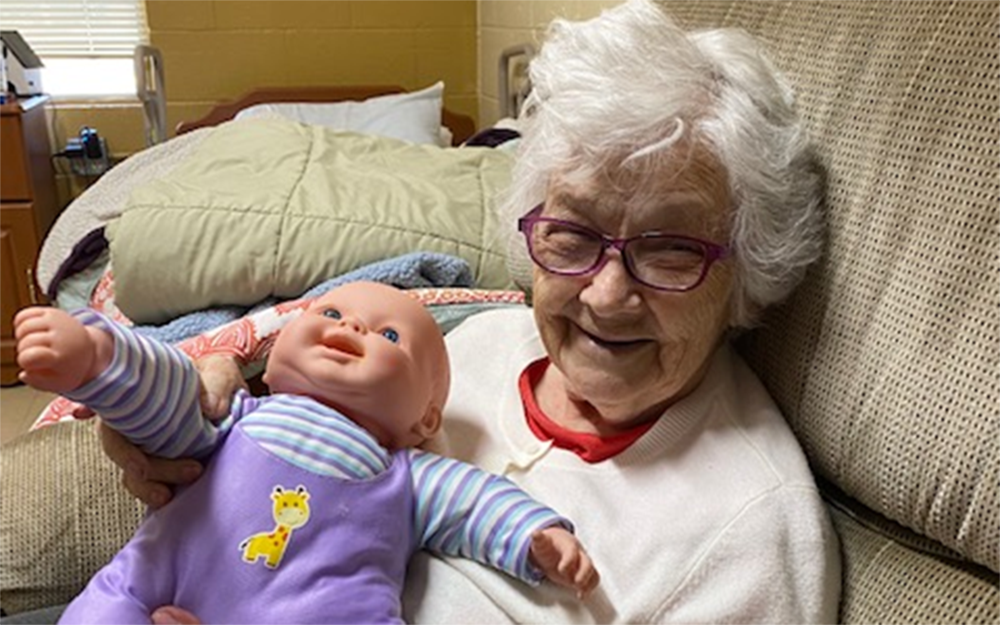
Research has shown that providing activities during the day will cause less need for a long nap and better nighttime sleep.