-
Discover Effective Stress-Reduction Techniques ?✨
Are you feeling overwhelmed by the demands of daily life? Stress can quickly take a toll on your mental and physical well-being, but effective stress-reduction techniques can help you regain control and find balance. Here are some powerful methods to reduce stress and improve your overall health: Mindful Meditation : Incorporate mindful meditation into your daily routine. Spending just a few minutes focusing on your breath can significantly reduce anxiety and promote a sense of calm. Regular mindfulness practice has been shown to enhance mental clarity and emotional resilience. Deep Breathing Exercises : Engage in deep breathing exercises to instantly calm your mind and body. Try inhaling slowly through your…
-
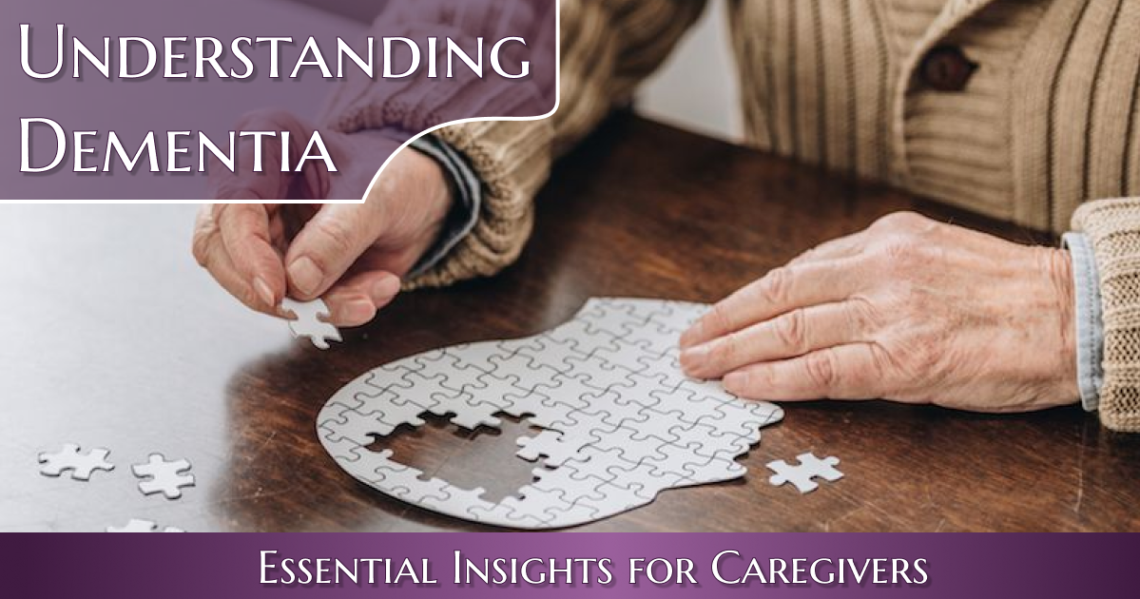
Understanding Dementia: Essential Insights for Caregivers
Caring for someone with dementia presents unique challenges, but understanding the condition can make a world of difference. By recognizing early signs—such as memory loss, confusion, and difficulty with everyday tasks—you can seek timely intervention and support. Consulting a healthcare professional for a proper diagnosis is crucial so your loved one receives the care they need. Key Strategies for Dementia Care Maintain a Consistent Routine Establishing a daily schedule helps reduce confusion and anxiety for someone living with dementia. Consistency offers security and predictability, making it easier to navigate the day. Communicate Clearly Use simple, clear sentences. Speak slowly and calmly, then allow plenty of time for your loved one…
-
Progress Over Perfection
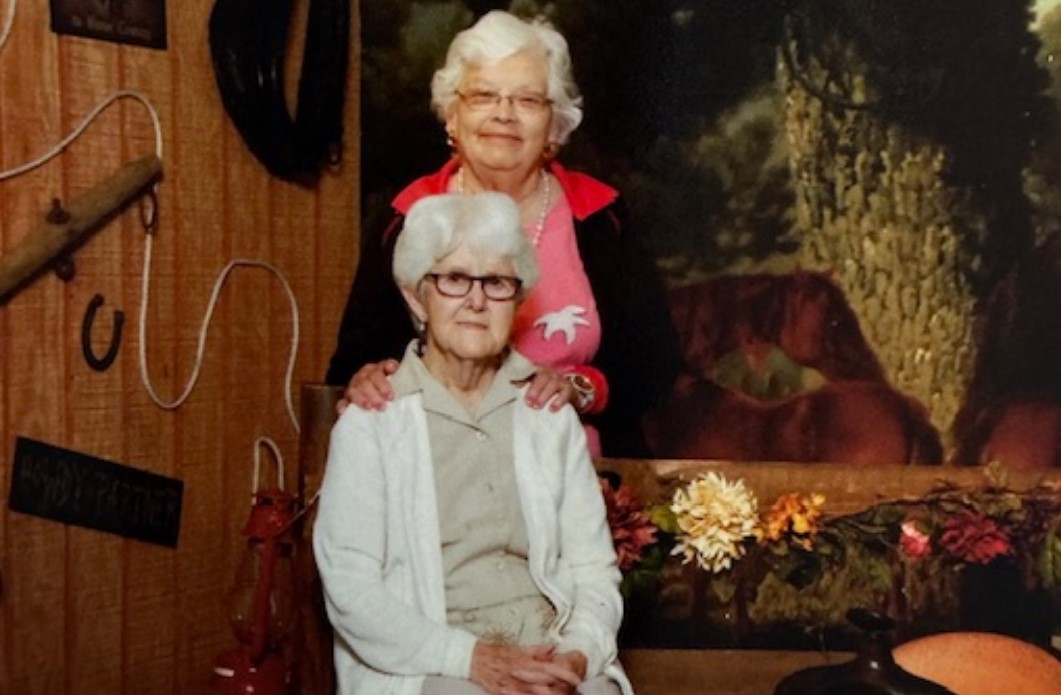
When did I get so tired? When was the last time I slept through the night? Do I even remember what it feels like to be rested? At this point, soaking in a hot tub for 15 minutes would feel like a mini vacation! I know I need help. There has to be a better way. Earlier today, I took both Mom and my mother-in-law, Jean, to their doctor’s appointments. As best friends, they enjoy spending time together, so I scheduled their checkups with the same physician to save time and reduce confusion. Mom is living with vascular dementia, and Jean is battling Alzheimer’s. Neither of them likes going to…
-
How to Stay Healthy as a Caregiver
Caring for a loved one is a rewarding experience, but it can also be physically and emotionally demanding. While you’re focused on their well-being, it’s crucial not to neglect your own health. To prevent illness and caregiver burnout, follow these essential tips to reduce stress and maintain your physical and mental well-being. Brought to you by The Purple Vine, your trusted source for caregiver support. 1. Limit Caffeine and Sugar for Better Sleep As a caregiver, getting enough rest is vital. Lack of sleep can increase stress and weaken your immune system. To improve your sleep quality, limit caffeine and sugar intake, especially in the afternoon. Avoid these stimulants after…
-
Just One Thing
How would our lives improve if we changed just one thing this week? Changing just any old thing may not have any impact, for example, putting on your shirt before your pants, if that's your habit. That won't cause any ripple effects, mood enhancements, or much else, as far as I'm concerned. But what if the ONE THING we focussed on was literally where we put our focus? Bear with me; it will make sense in just a minute. Have you ever found yourself dwelling on those who don't support you? The spouse, partner, sibling, relative, or friend who never seems to have time to help you?Have you noticed yourself…
-
Stress-Reduction Techniques for Caregivers
Stress is a natural part of life, but chronic stress can lead to serious health issues such as diabetes, heart disease, migraines, indigestion, and depression. As a caregiver, it's essential to take proactive steps to manage and reduce stress. Here are 10 effective stress-reduction techniques: 1. Take Breaks: Schedule regular breaks to rest and recharge. Even short pauses can help alleviate stress and prevent burnout. 2. Seek Support: Reach out to family, friends, or support groups for emotional support and to share caregiving responsibilities. 3. Prioritize Self-Care: Engage in activities you enjoy, such as exercise, or meditation. For me, it's gardening. That is a happy, peaceful place where I can…
-
Lower Your Stress Levels: A Guide for Caregivers
How peaceful and happy is your daily life? Do you find yourself losing your temper or feeling anxious? What systems do you have in place to help you destress? It’s crucial to have effective strategies to manage stress and anxiety. Your attitude also plays a significant role—are you generally happy and thankful, or do you sometimes feel bitterness, anger, or self-pity? Remember, everyone experiences stress, anger, and anxiety. The key difference lies in how we handle it. Uncontrolled stress can lead to serious health issues, including heart disease, obesity, diabetes, and mental health problems like depression and anxiety. The Mayo Clinic highlights the significant toll stress can take on your…
-
The Diagnosis isn’t the End
A dementia diagnosis can be devastating, but it doesn’t mean the end of your loved one’s life or memories. While dementia gradually affects memory, reasoning, and daily activities, it’s important to remember that the progression is often slow and varies from person to person. My handsome son and my mom. Dementia encompasses over 100 conditions, including: : Alzheimer's Frontotemporal Dementia Vascular Dementia Parkinson's Lewy Body Dementia Multi-Infarct Dementia Huntington's Disease Creutzfeldt-Jakob Disease Alcohol-related Dementia Down Syndrome with Alzheimer's HIV Associated Dementia Childhood Dementia They all impact reasoning, memory & activities of daily life, but there are different symptoms associated with each different disease. Most are a slow (albeit progressive) decline.…
-
3 Essential ‘I Can’t’ Statements for Caregivers: Tips for Stress Management and Support
Dad taught us we could do anything we set our minds to. Henry Ford stated it best when he said, "Whether you think you can, or think you can't, you're right." Our attitude is critical to our success. While I believe all that, and you probably do too, I've learned that, at least in caregiving, there are some acceptable, and beneficial, "I can't" situations. Ready? Here we go.... - I Can’t Do It All Alone. It’s okay to ask for help. Caregiving can be overwhelming, and no one should do it entirely alone. Make a list of tasks others can help with, such as mowing the lawn, cooking meals, or…
-
10 Ways to Reduce Caregiver Stress: Free Guide
1) Take breaks: It's crucial for caregivers to schedule regular breaks to rest and recharge. Even short breaks can help alleviate stress and prevent burnout. 2) Seek support: Don't hesitate to reach out to family members, friends, or support groups who can provide emotional support and share in the caregiving responsibilities. 3) Prioritize self-care: Make self-care a priority by engaging in activities you enjoy. This could include hobbies, exercise, meditation, or simply taking time for yourself. For me, it's gardening. That is a happy, peaceful place where I can relax. 4) Accept help: Allow others to lend a hand. Accept help with caregiving tasks, such as meal preparation, errands, or…