Fall Prevention Tips – Home Safety
Falls can happen in a split second—but many of them can be prevented with a few thoughtful changes. Start with the areas your loved one uses most, and take another look whenever there is a change in their health, mobility, medications, or home environment. A little prevention now can help protect their safety, confidence, and independence later.
1. Talk with a healthcare provider about fall risk.
A slip or fall may be more than an unlucky encounter with gravity. It can signal changes in balance, strength, vision, blood pressure, or another health condition. A healthcare provider can review these factors and decide whether a more detailed evaluation is needed.
Be sure to mention all recent falls—even those that did not cause an injury. Near-falls matter, too. Catching oneself on furniture, stumbling on familiar stairs, or suddenly feeling unsteady may point to a developing concern.
HELPFUL TIP: Before the appointment, write down any episodes of dizziness, weakness, stumbling, or difficulty standing. Include when and where they happened. Those details may help the provider spot a pattern.
2. Review all medications.
Some prescriptions, over-the-counter medications, and supplements can cause dizziness, drowsiness, or a drop in blood pressure. When several are taken together—or a dosage changes—the risk may increase.
Never stop a medication without medical guidance. Instead, ask a physician or pharmacist to review the complete medication list and explain which side effects could affect balance or alertness.
HELPFUL TIP: Keep one current list of all prescriptions, vitamins, supplements, and over-the-counter products. Bring it to every medical appointment and pharmacy consultation. Yes, even the vitamins count!
3. Build strength and balance.
Walking is wonderful, but it may not address every physical change that can contribute to a fall. Exercises that strengthen the legs and improve balance can help an older adult move more safely and confidently.
Depending on the person’s health and mobility, appropriate activities might include strength exercises, chair exercises, yoga, tai chi, or a professionally supervised balance program. A healthcare provider or physical therapist can recommend safe options.
HELPFUL TIP: Watch for signs such as holding onto walls or furniture, avoiding stairs, or using both arms to push up from a chair. The furniture should not have to double as a mobility aid. These changes may signal a loss of strength or confidence that should be discussed with a healthcare professional.
4. Schedule regular vision and hearing checks.
Changes in vision can make it difficult to judge distances, see the edge of a step, or spot an object on the floor. Hearing changes may also make it harder to notice surrounding activity or hear a warning.
Regular eye and hearing exams can identify changes before they begin affecting safety. Keep eyeglass prescriptions current, and allow extra time to adjust to bifocals or progressive lenses.
HELPFUL TIP: Notice whether your loved one hesitates on stairs, struggles when moving between bright and dim spaces, or has difficulty judging curbs and steps. Mention these changes at the next vision appointment.

5. Walk through the home room by room.
Household hazards are easy to miss—especially when that throw rug has been “just fine” for the past 20 years. Loose rugs, electrical cords, clutter, uneven flooring, and awkwardly placed furniture can all interfere with a safe walking path.
Begin with the routes used most often, especially between the bedroom, bathroom, and kitchen. Keep frequently used items within easy reach so no one needs to bend too far, stretch too high, or climb onto a step stool.
HELPFUL TIP: Walk through the home with the older adult and ask which areas feel difficult or uncomfortable. The goal is to make the home safer with them—not to swoop in and rearrange everything while they are not looking.
6. Improve lighting and add support.
As we age, we often need more light to see changes in flooring, obstacles, and the edges of stairs. Make sure hallways, bathrooms, entrances, and staircases are well lit.
Check that stairway handrails are firmly secured and do not wobble. Install grab bars or safety rails in showers, tubs, and near toilets, where wet floors and difficult movements can increase fall risk.
HELPFUL TIP: Walk the route from the bedroom to the bathroom after dark. Add nightlights or motion-activated lights anywhere someone would otherwise have to navigate the darkness while searching for a switch. Midnight obstacle courses are highly overrated.
7. Check footwear regularly.
Loose slippers, backless shoes, high heels, and slippery socks can increase the risk of a fall, particularly on hardwood or vinyl floors. Choose shoes that fit securely and have good traction. Check regularly for worn soles, stretched openings, or changes in fit.
HELPFUL TIP: Look at the footwear worn inside the home, too. Many older adults spend most of the day in slippers or socks, so indoor footwear deserves just as much attention as outdoor shoes. Cozy is good—cozy and grippy is even better.
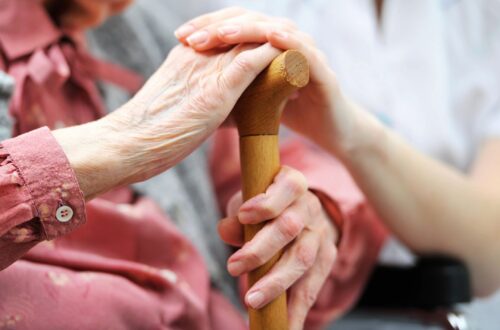
8. Make sure canes and walkers fit properly.
Canes and walkers can provide valuable support—but only when they are the correct type, properly adjusted, and used as intended. A device that is too tall or too short may actually make walking less stable.
A physician, physical therapist, or occupational therapist can recommend the right mobility aid and demonstrate how to use it safely. Avoid borrowing someone else’s cane or walker unless it has been professionally adjusted. Mobility devices are definitely not “one size fits all.”
HELPFUL TIP: Regularly check the condition of the device. Worn rubber tips, loose handgrips, and sticking walker wheels should be repaired or replaced promptly.
Fall prevention is a year-round priority.
A home-safety review should not be a “one and done” project. Repeat it regularly, especially after a new diagnosis, medication change, illness, injury, or noticeable change in mobility, vision, or hearing.
If an older adult experiences repeated falls, unexplained dizziness, or sudden difficulty walking, contact a healthcare professional.
These tips offer general fall-prevention guidance, but they are not a substitute for an individual medical evaluation.
Small changes can make a big difference. The goal is not to take away someone’s independence—it is to help them continue enjoying it as safely and confidently as possible.




Follow and like us:













Debbie Compton
I am an author, speaker, caregiver, and Grammy. The latter is by far the most fun! Having been a primary caregiver 3x, I realized so many lessons were learned too late to benefit my Dad who passed of Parkinson's Disease. I resolved to write a book to make life easier and safer for other caregivers that would get them ideas, inspiration, and lessons learned. It's called "Caregiving: How To Hold On While Letting Go" available on this website. I am a Certified Caregiver Consultant and Advocate as well as a Community Educator for the Alzheimer's Assoc. and Founder of The PurpleVine LLC